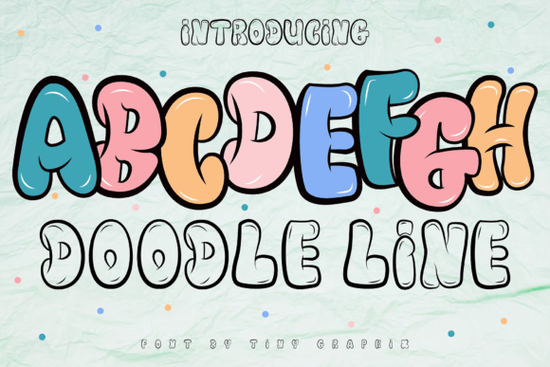
If you're looking for a playful, hand-drawn graffiti-style font that works well for logos, game assets, or fun branding especially for younger audiences or casual creative projects the Doodle Line Font is a solid, easy-to-use option. It’s not overly complex or technical, and it doesn’t try to mimic real street art lettering with heavy texture or distressing. Instead, it offers clean, consistent line work with a relaxed, sketchy rhythm ideal when you want energy without visual noise.
Who actually uses Doodle Line Font and why?
Designers building simple logo concepts for indie games or kids’ apps often reach for this one first. Its open shapes and even stroke weight make it highly legible at small sizes (like app icons or badge labels), while still holding up large on posters or merch. Print-on-demand sellers tell us it’s especially helpful for T-shirt designs aimed at tweens or gamers think “Pixel Pals” or “Snack Squad” in bold, friendly letters. Small business owners launching a new craft brand or café with a laid-back vibe also find it fits naturally next to hand-drawn illustrations or watercolor backgrounds.
It’s not meant for formal documents or corporate reports but that’s by design. Like Brick Stacked Font, it leans into its category: display fonts built for impact, not body text. You’ll see similar energy in Retro Holly Font (great for holiday branding) or Summer Flower Font (lighter and more organic), but Doodle Line stands out for its balanced simplicity and strong baseline alignment making it easier to pair with other typefaces or icons.
How does it compare to other graffiti or doodle-style fonts?
Unlike some display fonts that rely heavily on texture overlays or irregular spacing, Doodle Line Font keeps things predictable. That means less time adjusting kerning manually and fewer surprises when exporting to SVG or cutting machines. If you’ve tried Bubble Skelly Font and found the rounded, bubbly forms too soft for your project, Doodle Line gives you more structure without going rigid. And if Brick Stacked Font feels too blocky or industrial for your brand voice, Doodle Line brings back some of that loose, human touch without sacrificing clarity.
It includes uppercase letters, numerals, and basic punctuation enough for most short headlines, product names, or social media banners. No ligatures or stylistic alternates, which keeps file size light and loading fast. That’s useful if you’re embedding fonts in Canva templates or sharing files with clients who aren’t designers.
What kind of projects work best with it?
- Game UI elements: Level titles, achievement badges, or character name tags especially in pixel-art-adjacent or cartoon-style games.
- Small-batch merch: T-shirts, enamel pins, or stickers where hand-drawn charm matters more than precision.
- Kid-focused branding: After-school programs, toy packaging, or activity books that need approachable, non-intimidating typography.
- Social media graphics: Instagram story headers, TikTok captions, or Pinterest pins where quick readability is key.
You can layer it over subtle patterns or pair it with a neutral sans-serif (like Montserrat or Inter) for contrast just avoid pairing it with other highly decorative fonts unless you’re intentionally going for maximalist energy. For example, Retro Holly Font has stronger vintage cues, so mixing the two could feel off unless your theme is clearly “holiday doodles.”
A note about licensing and usage
The license covers personal and commercial use including POD platforms like Redbubble or Teespring so you don’t need to worry about extra fees for selling physical items. It doesn’t include web font files (WOFF/WOFF2), so it’s best used in static graphics, print layouts, or embedded in apps not as live website text. If you need web-friendly options, consider pairing it visually with a system font stack for headings and body copy.
One practical tip before downloading: test it at three sizes 12pt, 36pt, and 120pt in your actual design tool. Some display fonts lose legibility or proportion at extremes, but Doodle Line holds up well across that range. And if you’re exploring alternatives, Doodle Line Font sits comfortably between the bouncy playfulness of Summer Flower Font and the grounded geometry of Brick Stacked Font.
Before you start designing: Open your project, drop in a sample word (“FUN”, “PLAY”, or your brand name), adjust tracking slightly (+20–+40), and preview on both light and dark backgrounds. If it reads clearly and feels right for your audience not just “cool,” but appropriate you’re ready to go.
Get Started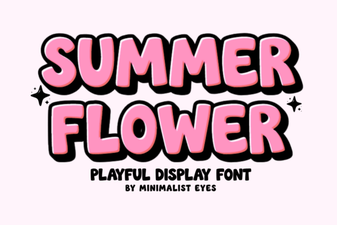 Blooming Fonts for Your Summer Design Projects
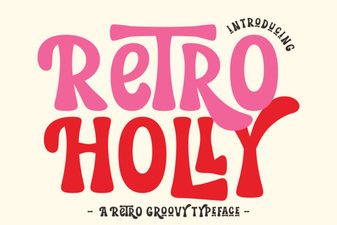 Retro Holly Font for Festive Creative Designs
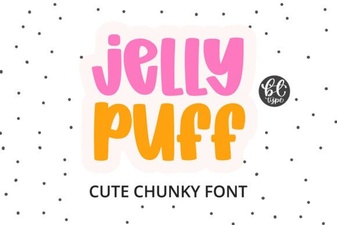 Jelly Puff Font for Fun & Playful Designs
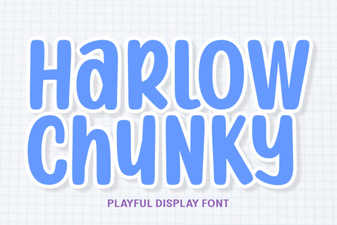 Harness Harlow Chunky Font for Bold Designs
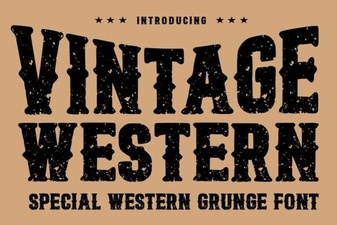 Craft Projects with Vintage Western Fonts
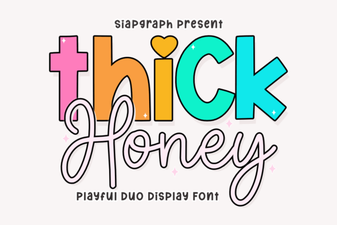 Craft Projects with Thick Honey Duo Font