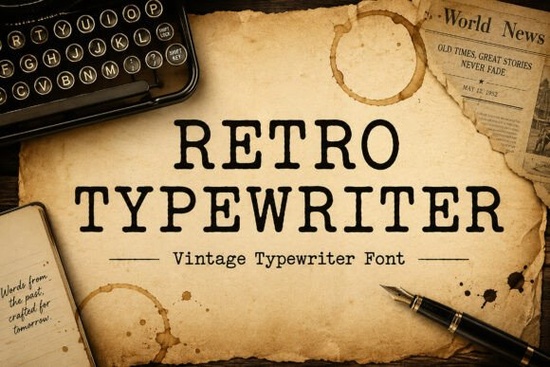
If you're looking for a serif font that feels hand-typed, slightly uneven, and full of quiet personality like something pulled from a 1940s newsroom or a poet’s dog-eared journal you’ll appreciate Retro Typewriter Font. It’s not just another vintage-style typeface. Its letterforms have subtle inconsistencies slight variations in stroke weight, gentle misalignments, and soft edges that mimic real typewriter output without feeling gimmicky or overdone. That authenticity makes it especially useful for designers and makers who want their work to feel grounded, thoughtful, and human not polished to the point of sterility.
When does Retro Typewriter Font actually work best?
This font shines where character matters more than crisp uniformity. Think of a small-batch coffee brand wanting warm, approachable packaging or a self-published author designing their own mystery novel cover with a noir edge. It’s also a natural fit for editorial projects like zines, literary magazines, or even handwritten-style quote graphics meant for Instagram or Pinterest. Because it’s a serif font with strong readability at medium sizes, it holds up well in print: on book spines, journal covers, or folded newspaper-style flyers.
It’s not ideal for long-form body text (like a 300-page manuscript), nor for ultra-modern tech branding but that’s by design. Retro Typewriter Font is meant to serve specific moods and moments. If your project needs warmth, nostalgia, or a quiet sense of history, it delivers without shouting.
What kinds of projects are people using it for right now?
Based on how crafters and small businesses are applying it, here’s what’s working:
- Vintage posters especially for local events, record shops, or café announcements
- Book covers and interiors particularly for historical fiction, memoirs, or poetry collections
- Journals and diaries both as decorative headers and subtle page numbers or section dividers
- Print-on-demand merchandise think minimalist t-shirts with short quotes, ceramic mugs with typewriter-style slogans, or linen pillowcases with single-word designs
- Social media graphics paired with muted tones and grainy textures for cohesive retro feeds
One designer told us they used it for a series of “writer’s toolkit” stickers ink bottles, quills, and blank notebooks all with labels set in Retro Typewriter Font. The result felt tactile and intentional, not generic. That’s the kind of quiet cohesion this font supports.
How does it compare to other vintage serif fonts?
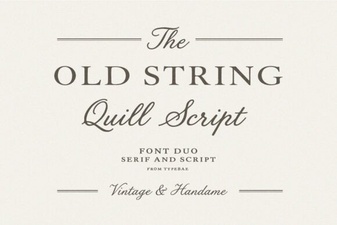
Unlike some retro fonts that lean heavily into distressed textures or exaggerated flaws, Retro Typewriter Font keeps things clean enough for professional use no jagged edges or forced noise. It sits comfortably between Old String Font, which has a softer, almost calligraphic sway, and Montage Font, which leans more toward mid-century magazine elegance. If you’ve tried Retro Typewriter Font alongside those, you’ll notice how its rhythm feels more mechanical steady, deliberate, quietly confident.
For reference, you can see how it fits within Creative Fabrica’s broader collection of serif fonts including alternatives like Old String Font and Montage Font.
A few practical tips before you start designing
• Pair it with a neutral sans-serif (like Inter or Lato) for contrast especially in layouts where you need hierarchy without visual clutter.
• Use OpenType features like ligatures or alternate characters if your design software supports them; they add subtle variation without extra effort.
• For print projects, test at actual size: what looks charming at 72pt on screen may feel cramped at 10pt on a product tag.
• Avoid overusing all-caps settings unless you’re going for a strict typewriter label aesthetic it reads best in title case or sentence case.
If you’re building a brand identity around storytelling, craftsmanship, or analog warmth, Retro Typewriter Font is one of those quiet tools that does more than it seems. It doesn’t demand attention it earns it, slowly and steadily, every time someone pauses to read what you’ve made.
Before downloading or licensing: Check your intended use case against the license terms especially if you plan to use it commercially on physical products or digital templates. And if you’re layering it with textures or scanned paper backgrounds, try reducing opacity slightly (85–90%) so the text stays legible without losing its charm.
Try It Free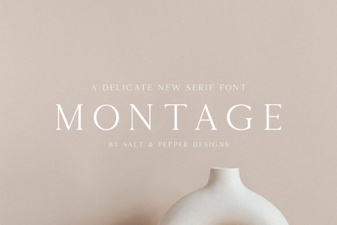 Montage Font: Design Projects & Creative Ideas
 Classic String Fonts for Modern Design Projects
 Design a Butterfly Monogram Font for Crafts
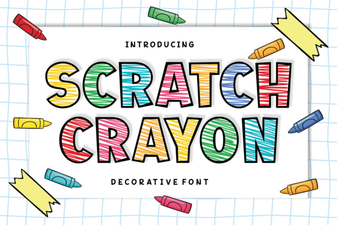 Crafting with the Scratch Crayon Font
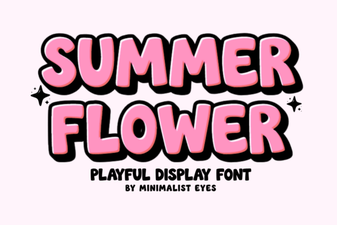 Blooming Fonts for Your Summer Design Projects
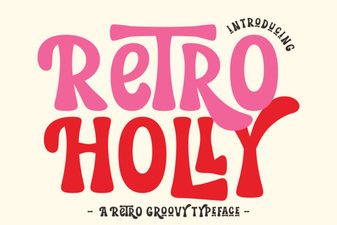 Retro Holly Font for Festive Creative Designs